Comparing Loan Options in the US


Choosing the right lender is a critical step in the loan application process that can significantly impact your total cost of borrowing. With a multitude of options available, from traditional banks to modern online platforms, a thorough comparison is essential. The Consumer Financial Protection Bureau (CFPB) advises that shopping around can lead to substantial savings over the life of a loan by securing a lower Annual Percentage Rate (APR). This guide provides a comparative overview of popular lending institutions in the United States to help you make an informed decision based on your financial profile and needs.
You will stay on this site.
When you begin your search, you will encounter three primary categories of lenders: large national banks, local or specialized credit unions, and digital-first online lenders. Each presents a unique set of advantages and disadvantages regarding interest rates, fees, eligibility requirements, and customer service. Understanding these differences is the first step toward identifying the most suitable partner for your borrowing journey.
Large National Banks: Stability and Broad Services
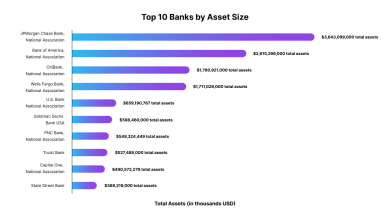
Major national banks like JPMorgan Chase, Bank of America, and Wells Fargo are often the first consideration for many borrowers due to their widespread presence and brand recognition. A significant advantage of borrowing from a large bank is the potential for relationship benefits. If you already have a checking or savings account with the bank, you might qualify for interest rate discounts or a more streamlined application process. These institutions offer a wide range of loan products, including personal loans, mortgages, and auto loans, providing a one-stop-shop for your financial needs. Their extensive network of physical branches also offers the comfort of in-person customer service, which some borrowers prefer for complex transactions.
However, the convenience of a large bank can come with drawbacks. They often have stricter credit score and income requirements compared to other lenders. Their approval processes can sometimes be slower due to more rigid underwriting protocols. While they are competitive, their rates may not always be the lowest available, as their large overhead costs can be passed on to consumers. It is crucial to compare their formal offer with those from other lender types before making a commitment. A recent report highlights that while banks are a primary source of credit, consumers are increasingly exploring alternatives for more competitive terms according to the Federal Reserve.

Credit Unions: A Member-Focused Approach
Credit unions are non-profit financial cooperatives owned and operated by their members. Institutions like Navy Federal Credit Union, Alliant Credit Union, and PenFed Credit Union serve specific communities, employers, or associations. Because they are not driven by profit, credit unions often return their earnings to members in the form of lower interest rates on loans, higher yields on savings, and reduced fees. This member-centric model can make them an attractive option for personal loans and mortgages.
The primary hurdle with credit unions is the membership requirement. You must be eligible to join, which might be based on your employer, geographic location, family ties, or affiliation with a particular group. Furthermore, their technology and online platforms may not be as sophisticated as those of large banks or online lenders, and they typically have fewer physical branch locations. However, for those who qualify, the potential for more flexible lending criteria and personalized service often outweighs these limitations. The National Credit Union Administration (NCUA) provides federal insurance for deposits, offering the same security as FDIC insurance at banks as detailed on their official site.
Online Lenders: Speed and Competitive Rates
In the last decade, online lenders (also known as fintech lenders) like SoFi, LightStream, and Upstart have reshaped the lending landscape. These digital-native companies operate with significantly lower overhead than brick-and-mortar institutions, which often allows them to offer highly competitive, and sometimes lower, APRs. Their primary appeal lies in speed and convenience. The application process is typically entirely online, with many lenders providing pre-qualification with a soft credit check and delivering a decision within minutes. Funding can also be very fast, sometimes occurring within the same or next business day after approval.
Online lenders often utilize advanced algorithms and alternative data points beyond just a FICO score to assess creditworthiness, potentially opening up access to credit for a broader range of borrowers. The main trade-off is the lack of in-person support. All communication is handled via email, chat, or phone, which may not be ideal for everyone. It is also vital to ensure you are dealing with a reputable online lender by checking for reviews, verifying their physical address, and ensuring they disclose all terms and fees clearly a point emphasized by the FDIC for all digital banking interactions.

Key Metrics for Comparing Lenders
Regardless of the lender type you choose, your comparison should focus on a few key data points to determine the true cost of the loan.
Annual Percentage Rate (APR)
The APR is the most crucial figure for comparing loan offers. It represents the total annual cost of borrowing and includes not only the interest rate but also most of the mandatory fees associated with the loan, such as origination fees. This provides a more accurate, apples-to-apples comparison than the interest rate alone. Lenders are required by the Truth in Lending Act (TILA) to disclose the APR, making it a standardized metric for consumers as explained by financial experts.
Loan Fees and Terms
Beyond the APR, be aware of other potential costs. An origination fee is a one-time charge for processing the loan, usually a percentage of the loan amount, which is often deducted from the loan proceeds. Also, check for prepayment penalties, which are fees charged if you pay off the loan early. While less common for personal loans today, they still exist. Finally, understand the loan term—the length of time you have to repay the loan. A longer term will result in lower monthly payments but higher total interest paid over the life of the loan.
“Shopping around for a loan can save you hundreds or even thousands of dollars. We encourage consumers to get quotes from at least three lenders—including a mix of banks, credit unions, and online lenders—to compare APRs and fees before signing any agreement. This empowers you to secure the most affordable credit available for your financial situation.”
Frequently Asked Questions (FAQ)
What is the main difference between a bank and a credit union for a loan?
The primary difference is their structure. Banks are for-profit corporations that serve the general public, while credit unions are non-profit cooperatives owned by their members. As a result, credit unions often offer lower interest rates and fees on loans to their members, but you must meet specific eligibility criteria to join.
Are online lenders safe and legitimate?
Most online lenders are safe and legitimate, but it is essential to do your due diligence. Work with well-known lenders, read customer reviews, and verify that they have a physical address and responsive customer service. Ensure they are transparent about all rates and fees and that their website is secure (look for “https://” in the URL).
Does pre-qualifying for a loan hurt my credit score?
Generally, no. Most lenders use a “soft credit inquiry” or “soft pull” for pre-qualification, which does not impact your credit score. This allows you to see potential rates and terms. A “hard credit inquiry,” which can temporarily lower your score by a few points, is only performed when you formally submit a full application.
How much does my FICO score matter when choosing a lender?
Your FICO score is a primary factor for all lenders in determining your eligibility and interest rate. However, some lenders may be more flexible than others. Online lenders, for example, might use alternative data in addition to your FICO score. Borrowers with excellent credit (720+) will have the most options and receive the best rates from all lender types.
What is an origination fee and should I avoid it?
An origination fee is a charge to cover the cost of processing and underwriting your loan. It’s typically 1% to 8% of the total loan amount and is deducted from your funds before you receive them. While many excellent lenders charge no origination fee, you shouldn’t automatically dismiss a loan that has one. The most important factor is the overall APR, which includes this fee.
Can I borrow from an online lender based in another state?
Yes, most online lenders operate nationally and are licensed to lend in most U.S. states. You do not need to live in the same state as the lender’s headquarters. However, check the lender’s website, as some may have restrictions on lending in certain states due to local regulations.
Ultimately, the best lender for you is the one that offers the most favorable terms for your unique financial situation. By understanding the differences between banks, credit unions, and online lenders and carefully comparing their APRs, fees, and conditions, you can confidently select a loan that helps you achieve your goals without creating an undue financial burden.
Terms and conditions apply; please verify all details with the official institution.
Sources: consumerfinance.gov, forbes.com, experian.com